

For many, managing a credit card can feel as complicated as rocket science, and you might find yourself in that group! But don’t worry—with some straightforward tips and strategies to monitor and manage your card, you’ll soon discover that it can actually be a valuable financial tool.
The truth is, instead of you always working for your credit card, you can make it work for you. How well you keep track of your card usage plays a big role in this. A lot of people end up in debt simply because they don’t pay close enough attention to the details! To get started, reviewing this guide on improving your credit score it will help you take control from Invest Well Guide. Additionally, you can use this article by Experian for extra tips on credit score improvement.
Here are some practical tips to help you get your credit card working for you:
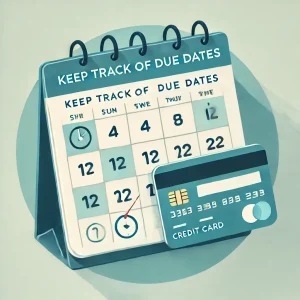
1. Keep track of due dates.
Timing is crucial when managing your credit card. Most people understand the importance of paying on or before the due date, but fewer realize the benefit of using their card to delay other payments:
- Be mindful of when your statement is generated.
- Use your credit card to pay bills right after the statement date.
- These charges won’t appear on your card until the next statement period.
For a deeper dive into credit report management, you can read the guide on getting your free credit report or consult the Consumer Financial Protection Bureau’s resource for more information on how to access and review your credit report.

2. Make lump-sum payments.
Another useful strategy is making large payments to your credit card before using it for additional purchases. When you make a significant payment before the statement is generated:
- The payment will appear on your next statement.
- You can use the credit card to cover other expenses while earning rewards points without increasing your debt.
Before signing up for a rewards program, check out the crucial questions about credit card rewards or read this comprehensive guide on rewards cards from NerdWallet to ensure you get the most out of your card without falling into a debt trap.
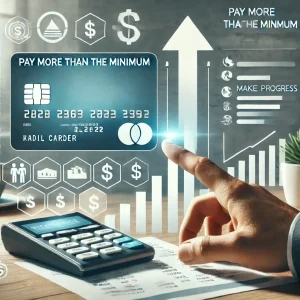
3. Pay more than the minimum.
If you’re only able to make the minimum payment each month, consider paying that amount plus the monthly interest shown on your statement. This approach helps you:
- Reduce the recurring interest costs, even if you don’t completely eliminate your debt.
- Gradually work toward paying off your balance, although progress may be slow.
For more advice on managing credit card payments, check out this article from The Balance, which provides additional tips on paying off your credit card debt more efficiently.
Bonus Tip:
Banks and credit card companies are often competitive with their offerings. You might be able to find a card with better interest rates and terms, making it worth considering a switch. Consider using a service like Bankrate’s credit card comparison tool to explore better rates and benefits. You can also learn more about balance transfers from this Investopedia guide, which outlines what to look for when switching cards.
Rather than viewing your credit card as an enemy, think of it as a helpful tool when unexpected financial needs arise. What matters most is how you manage the card and your repayment efforts.
You don’t need to be a financial expert to make your credit card work for you. Simply understanding the basics—debits, credits, interest, and due dates—will put you on the right path to better credit card management. For further learning, refer to this article The 7 credit card tips that nobody usually tells newbies from CNBC.